admed32cha's pick · Updated August 2026
Lodge Seasoned Cast Iron Skillet
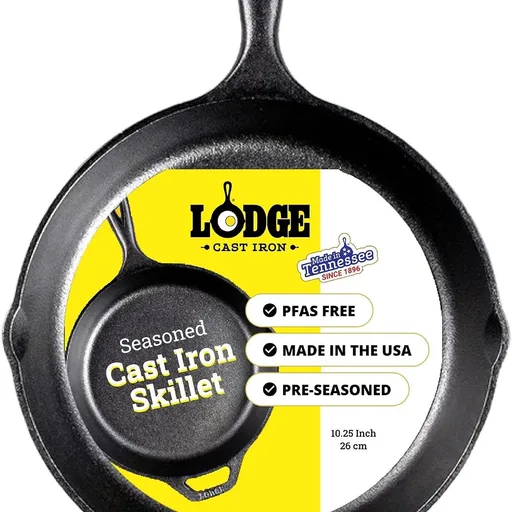
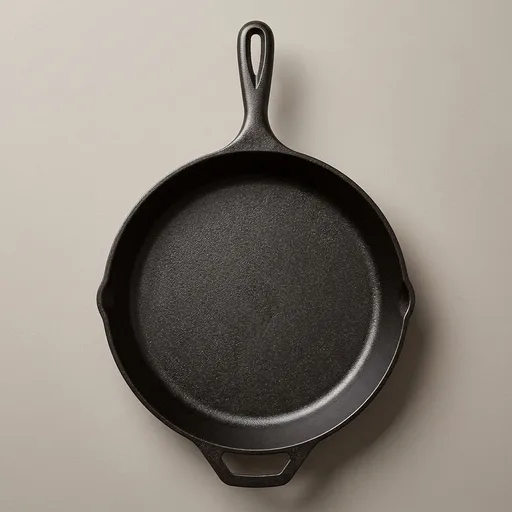
A 10.25-inch cast iron skillet is usually the size that makes sense for one or two portions, or for the cook who wants a pan that is easy to handle without giving up the benefits of cast iron. This Lodge version also fits the person who wants one pan that can move from stovetop to oven to grill to campfire without changing materials or worrying about a coating. For simple eggs, seared meat, skillet cornbread, vegetables, or anything that benefits from steady heat, it is the kind of tool that can stay in rotation for a long time.
The main reason people keep cast iron around is control and flexibility. Once it is heated, it holds that heat well, which can help with browning and with foods that need a stable cooking surface. The 10.25-inch size can be a good middle ground if a 12-inch pan feels a bit large for daily use, or if a smaller skillet would crowd the food. It also avoids the question some buyers have about coated cookware, since cast iron offers a different path to non-stick behavior through seasoning and care rather than a factory coating.
That said, cast iron asks for a little more attention than a typical nonstick pan. It is worth checking whether the added weight, the need for drying after washing, and the occasional seasoning upkeep fit your routine. A skillet like this is rarely the best choice for someone who wants the lightest pan possible or the least hands-on maintenance. It may also take some trial and error to learn how your stovetop, oven, or campfire heat behaves with cast iron, since the pan responds differently from thinner cookware.
The product details suggest a pan built around broad utility rather than special features. That is useful information, but it is still worth confirming the practical parts that matter most in your kitchen: whether the 10.25-inch diameter fits your burner and storage space, whether the weight feels manageable when full, and whether you want a plain skillet or one with extras such as a helper handle, lid, or silicone grip. The PFAS-free and non-toxic language may matter to shoppers who are trying to avoid coated cookware, but it is only one part of the decision. Fit, maintenance, and how often the pan will actually get used matter just as much.
Who this may fit best is the shopper who wants a simple cast iron skillet for everyday cooking and does not mind learning a bit of care. It can also make sense for someone building a basic kitchen around durable tools instead of replaceable ones. If the goal is one pan that can handle a wide range of heat sources and cooking styles, this size is easy to justify. If the goal is quick cleanup above all else, it is worth comparing it with lighter cookware before deciding.
Amazon product links on this guide are not currently affiliate links. Neither admed32cha nor Buyer Field Guide earns an affiliate commission from them.
See current price